
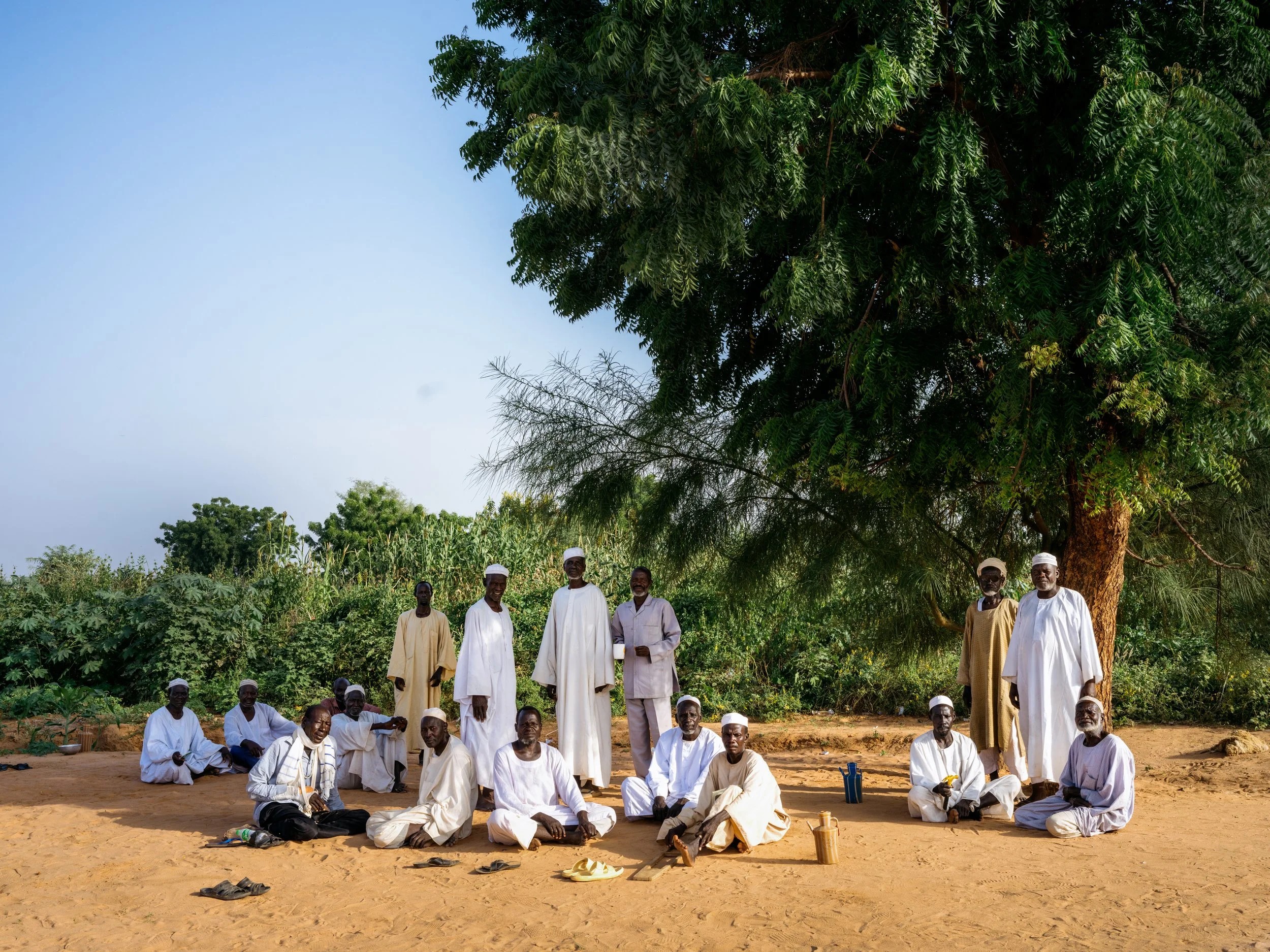
SUPPORT SUDANESE REFUGEES IN chad
Since the horrifying outbreak of war in Sudan one year ago - the result of the violence collapse of power sharing between the Sudanese Armed Forces and Rapid Support Forces following a 2021 coup - up to 15,000 people have been killed and 8 million displaced. Over half a million of those people have fled to Chad, creating a huge need for humanitarian support and heightening food insecurity in the country. In February, Chad declared a food emergency and the UN has warned more than 5 million people are now at risk of starvation in the wider region.
Giles Duley and Legacy of War Foundation collaborated with Humanity & Inclusion to document the stories of Sudanese refugees in Chad and have launched this emergency appeal in support of Sudanese refugees in Chad. Your support is urgently needed.
“What happened since the beginning of the war…. until now. The war started in April and the rebels came and attacked El Geneine with RPG’s and grenades. They did not differentiate between men, women and children. When they fired their rockets you will see ten or twenty people die at once. Because of these bombs and bullets nobody would stay in the town. So we had no choice but to move and run to the border. The rebels followed us and were firing after the people at the back of the group. We lost a lot of our friends and parents. We lost our mothers, our fathers, our brothers our children.
“It is hard for the women. It’s the women who had to carry the children and run away. And here it’s very hard to find something to eat. Also if a woman goes out into the bush in Sudan they will grab her and take her off. Here it’s safer but there are also problems”
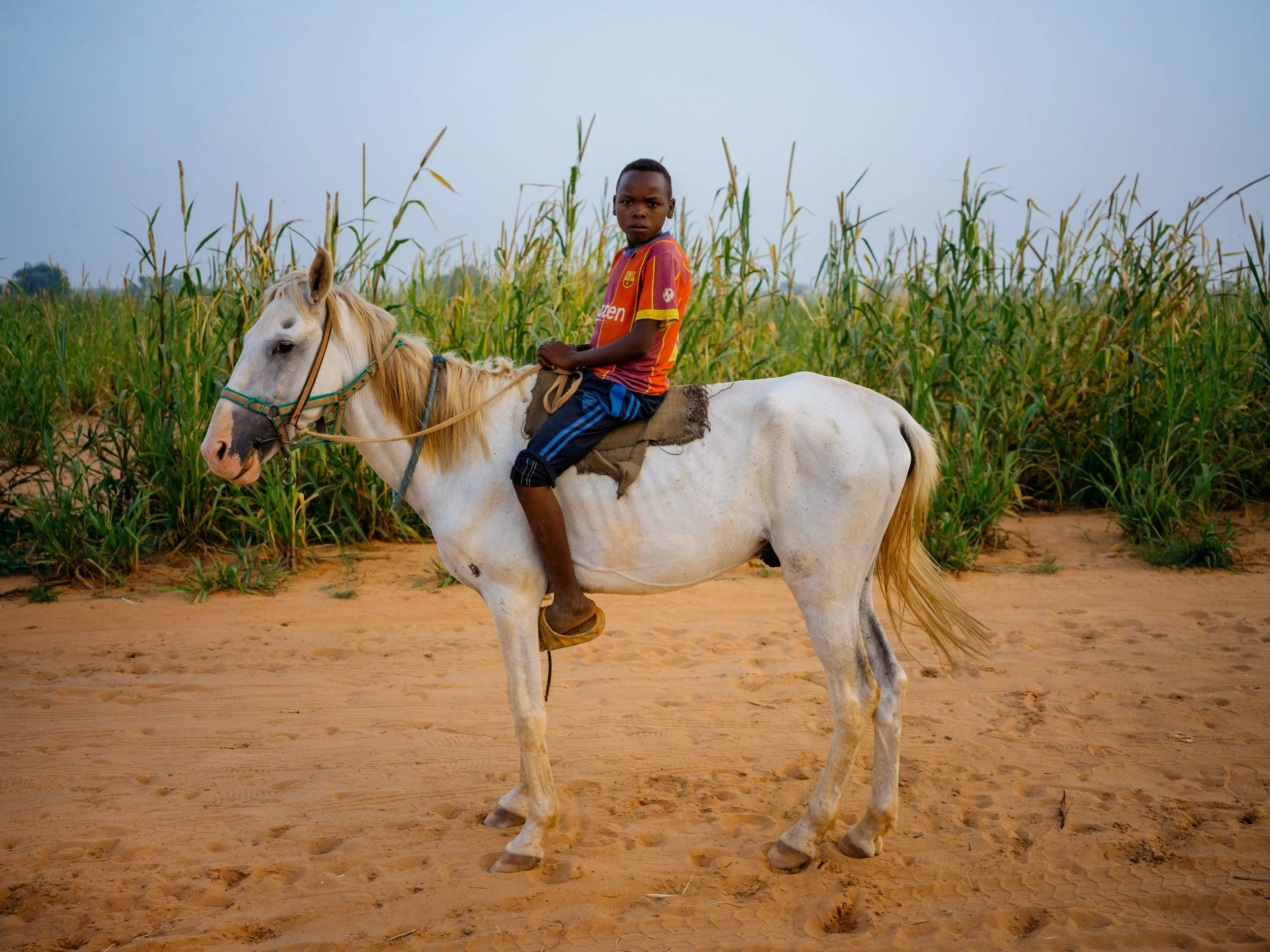
Multazim Ishakh, 12.
Adré informal refugee settlement, Chad. Nov 2023.
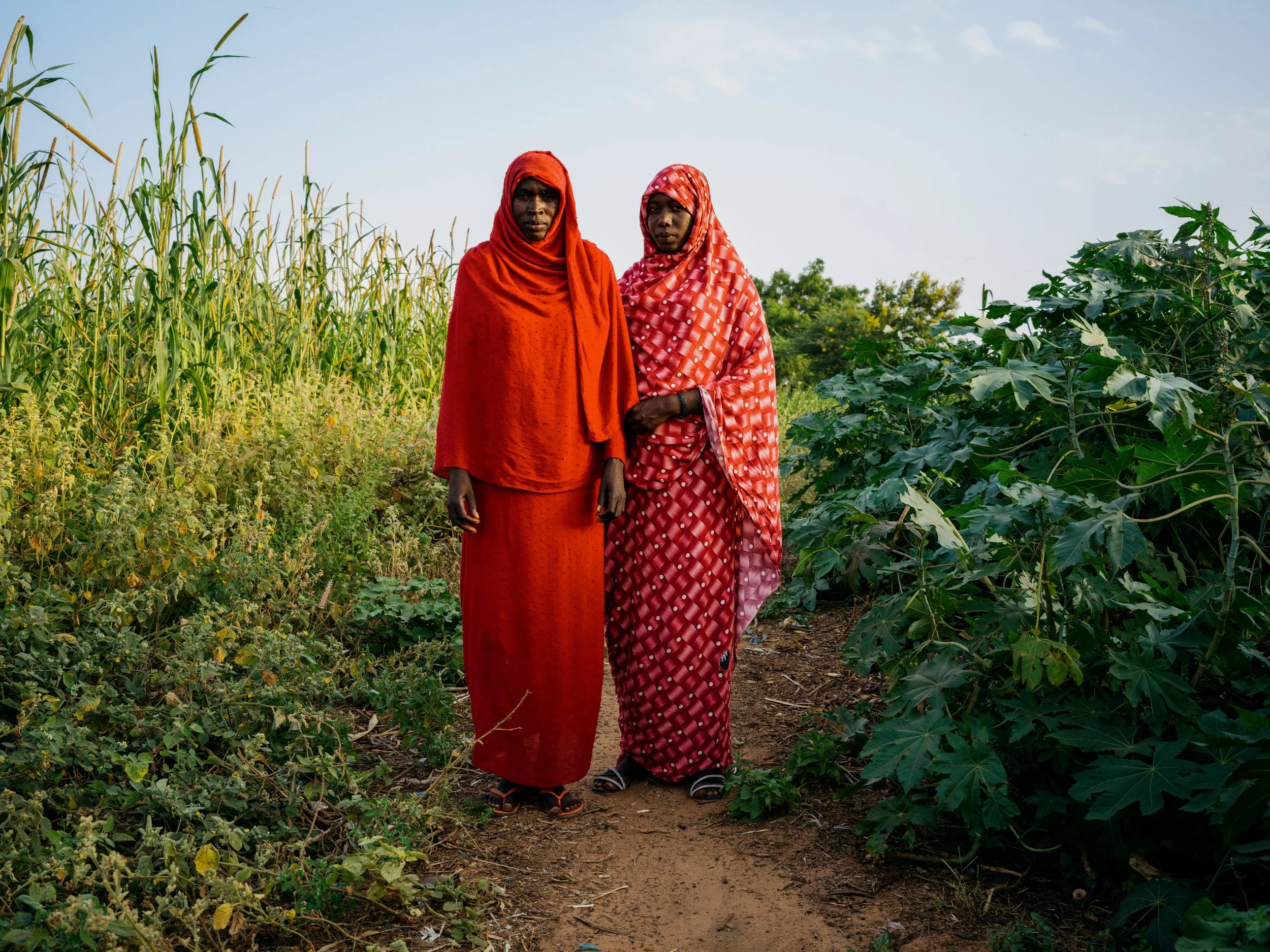
Amina Adam Mahamat, 28 (Left) and Firdoz Yahya Adam, 22.
Adré informal refugee settlement, Chad. Nov 2023.
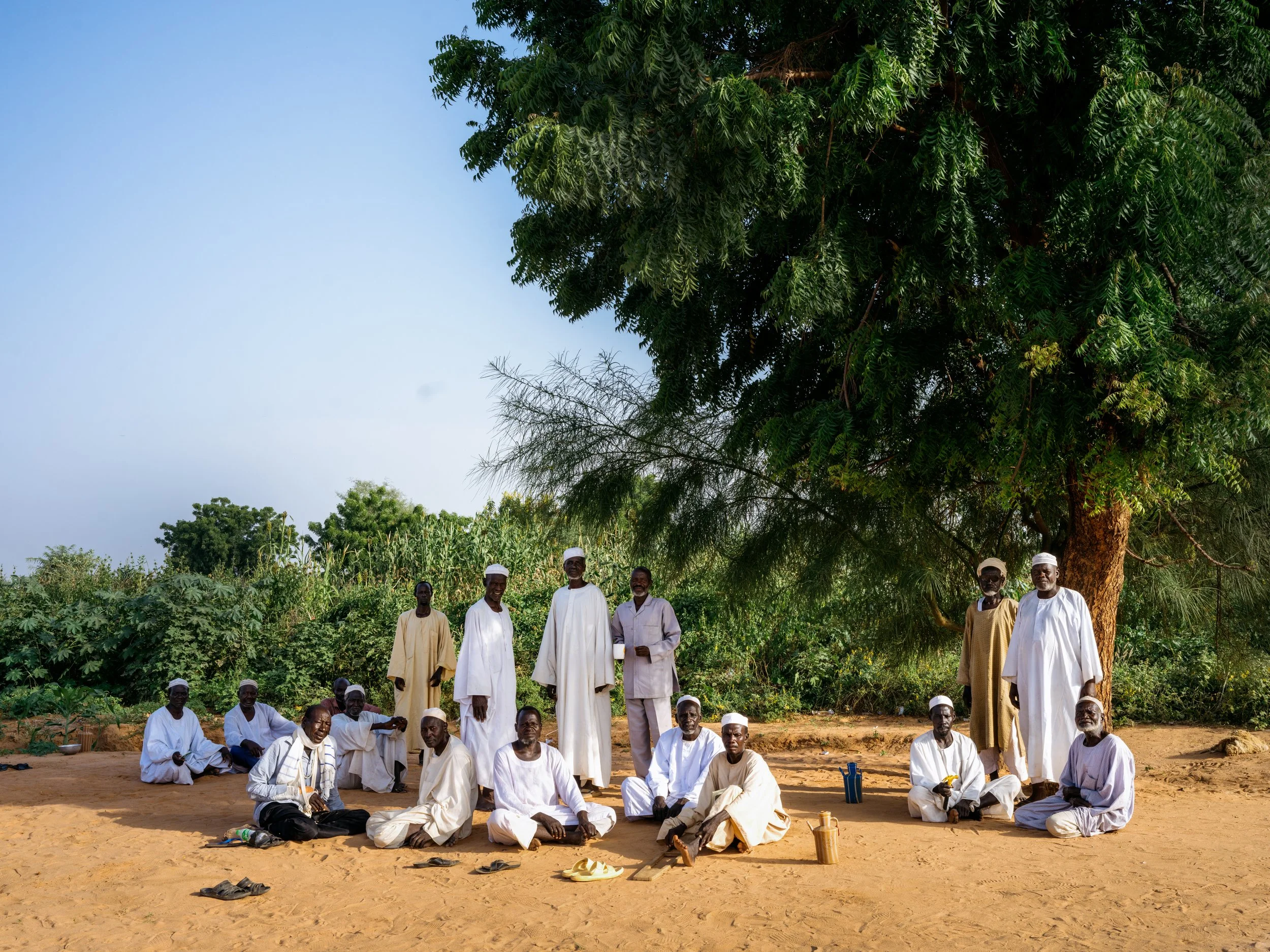
Masalit community leaders.
Adré informal refugee settlement, Chad. Nov 2023.
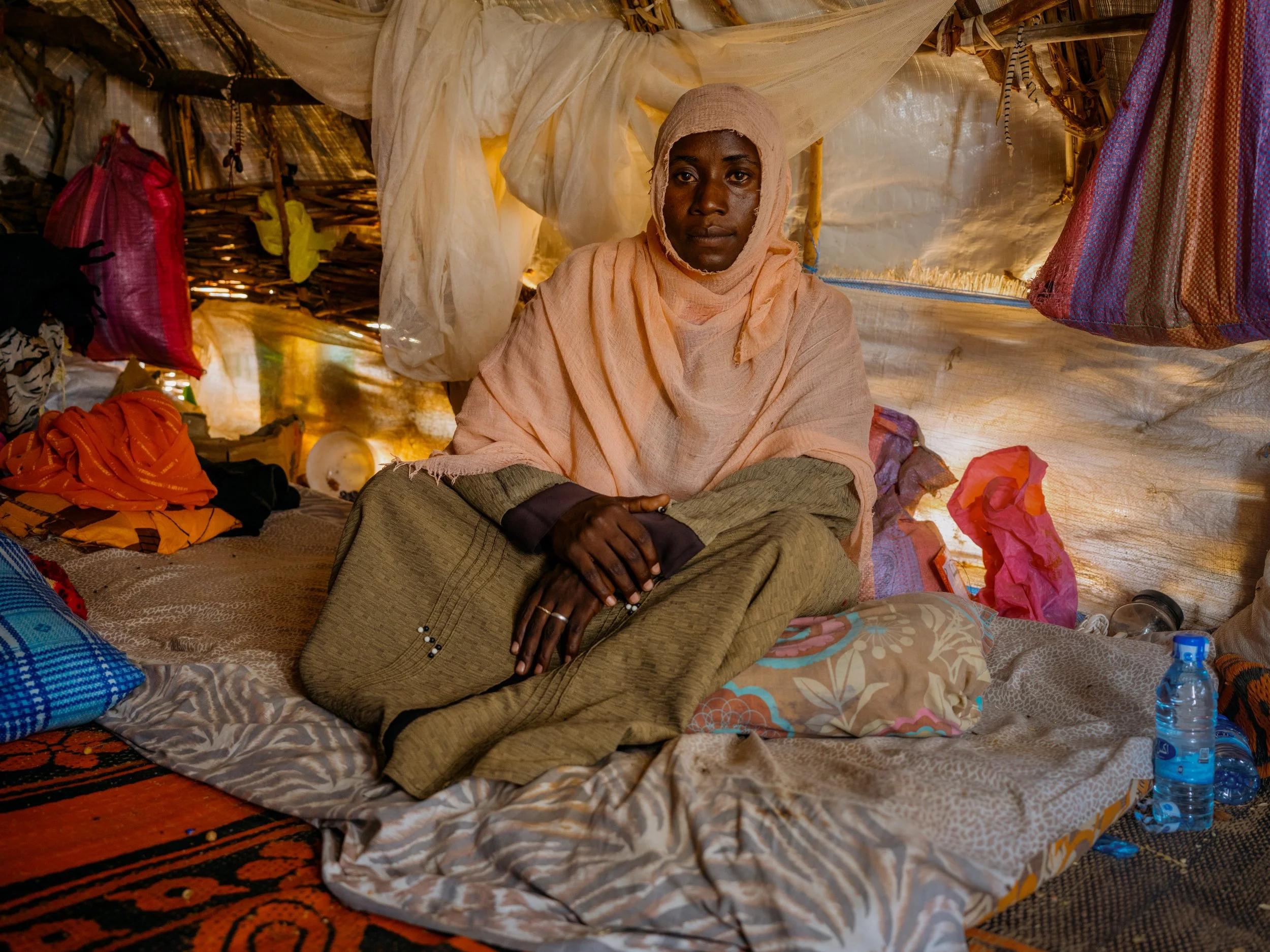
Nawali Yahya Adam, 24.
Adré informal refugee settlement, Chad. Nov 2023.
Back in Sudan, Nawali (who was paralysed following an illness in childhood) was an activist and community organiser working to support those her. But when the fighting started, she and her family had to flee after soldiers stole her motorised wheelchair. Now living alongside over 150,000 other refugees in Chad’s Adré camp, Nawali is confined to a tent and has to crawl to get to the communal latrines.
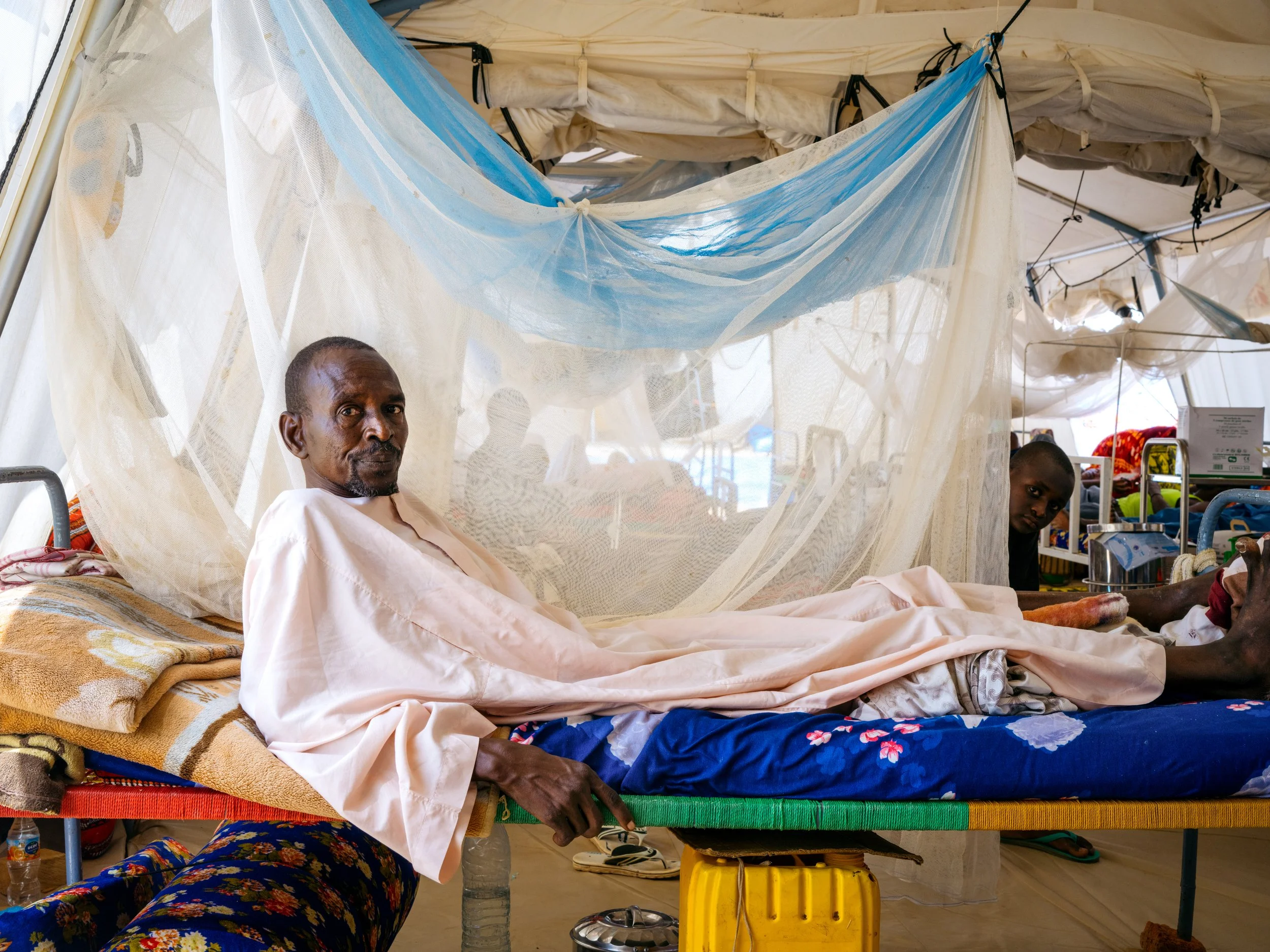
Dadam Abdallah Haroun, 60.
MSF Hospital, Adré, Chad. Nov 2023
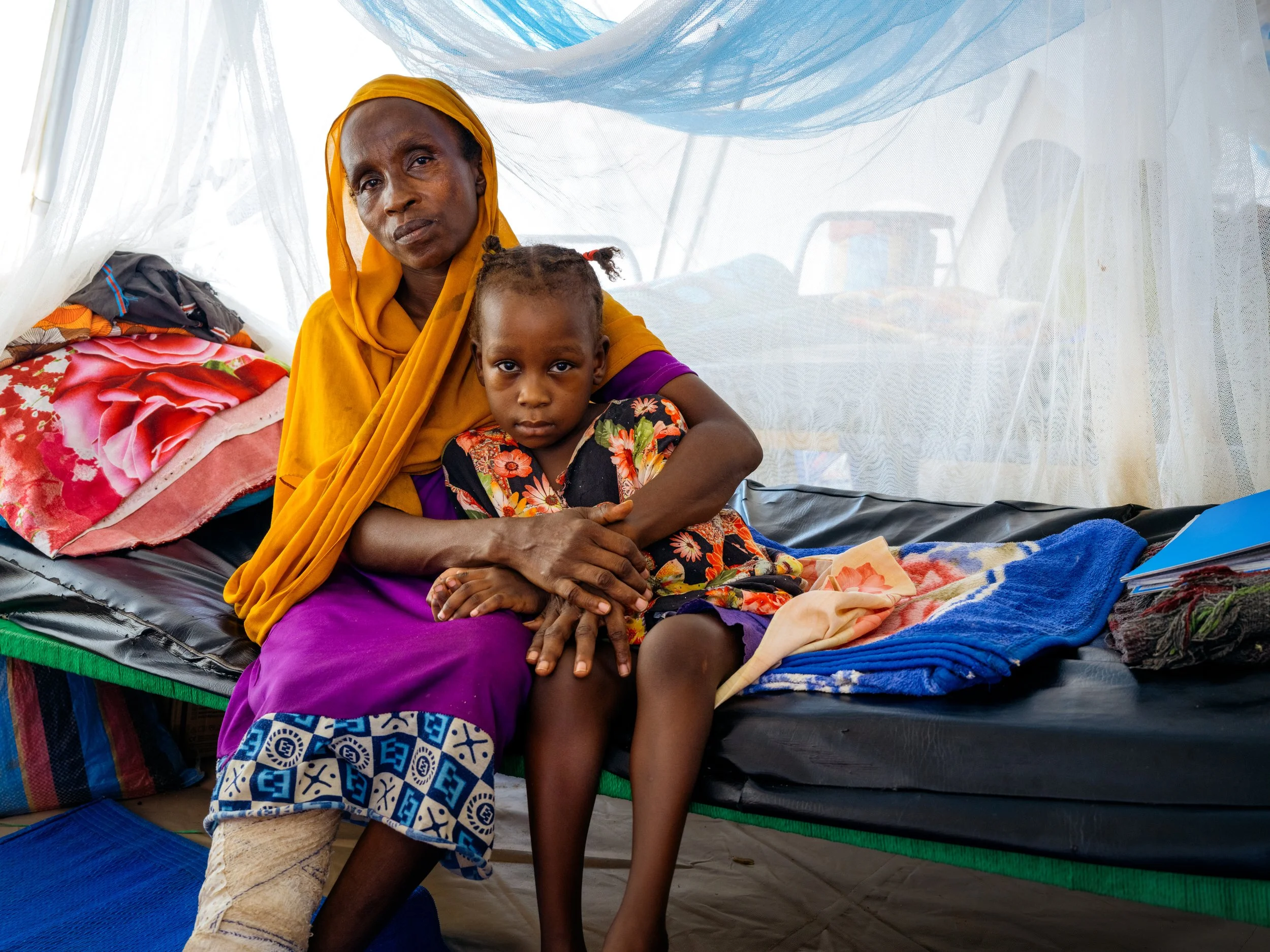
Toma Abdoulaye, 30, with her daughter Sawakine, 8.
MSF Hospital, Adré, Chad. Nov 2023
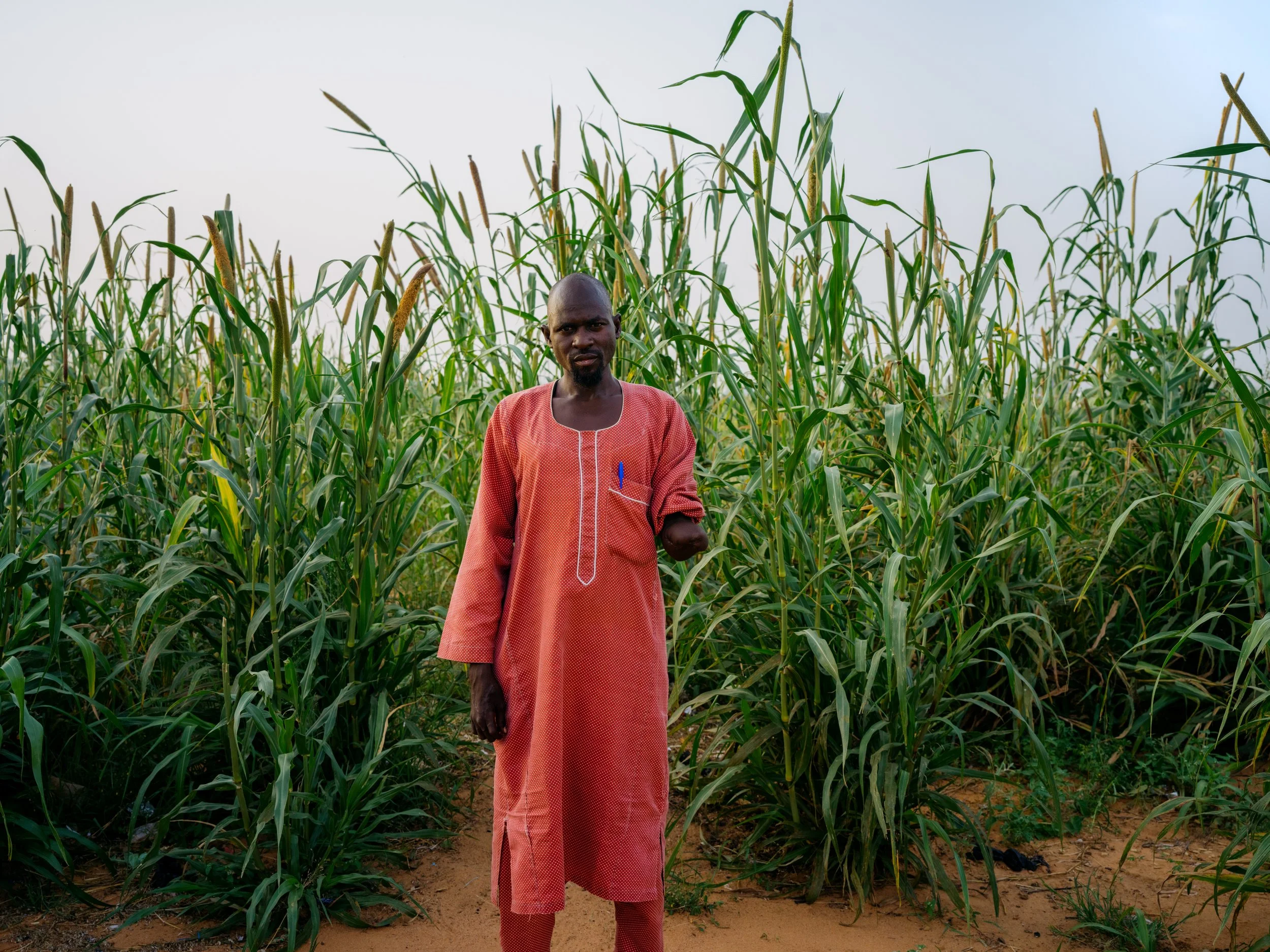
Mohamad Zakaria Sadiq, 32.
Adré informal refugee settlement, Chad. Nov 2023.
“I came here to Chad because there is no security in my home area. The Janjaweed burned down my village. I lost my arm after the Janjaweed shot me on the first day of the conflict”
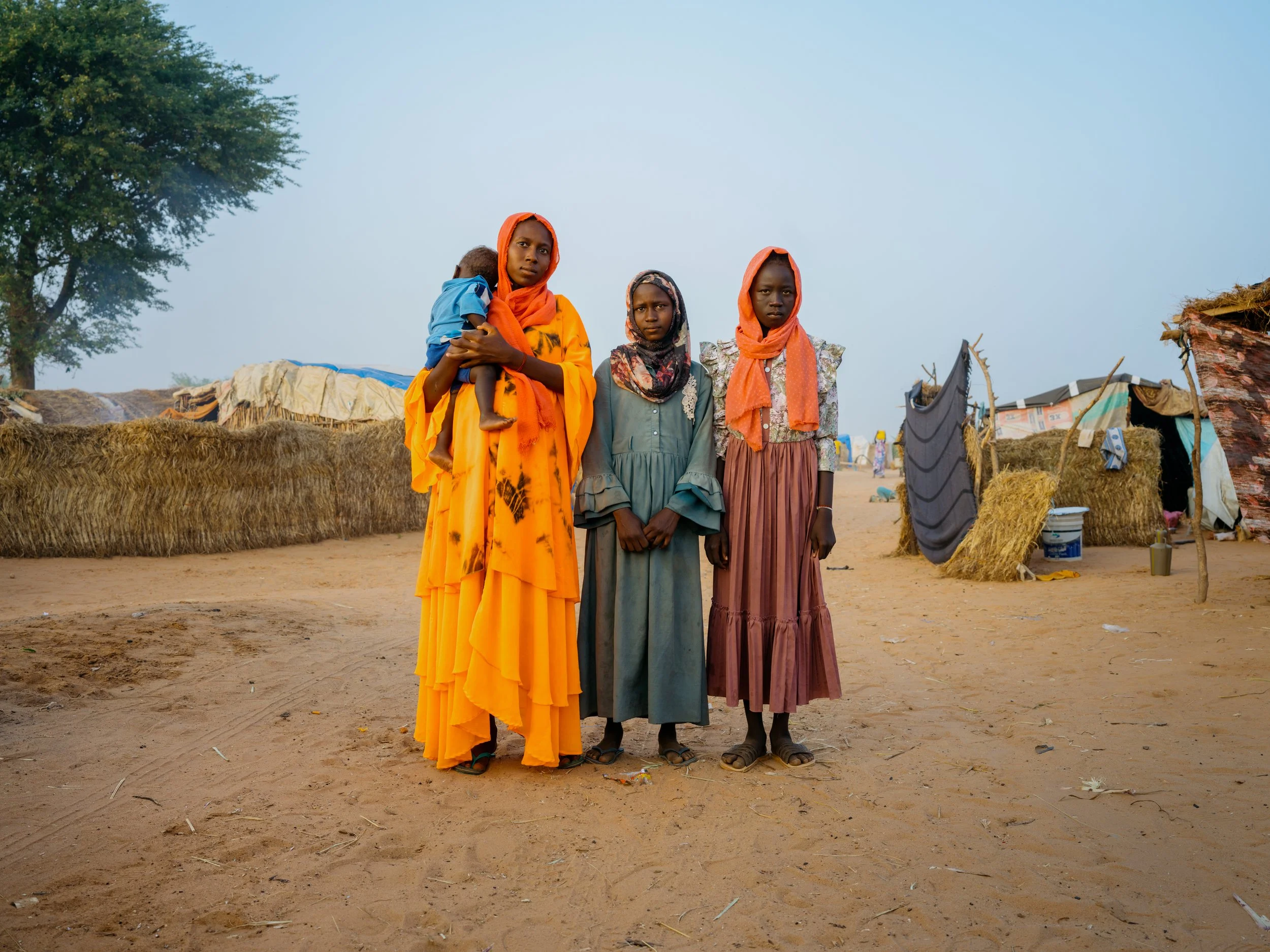
Sisters Aman Abdul-Aziz and Fatna Abdul-Aziz Abdulrahman with their cousin Mukhtadar Ahmad Mohammad.
Adré informal refugee settlement, Chad. Nov 2023.
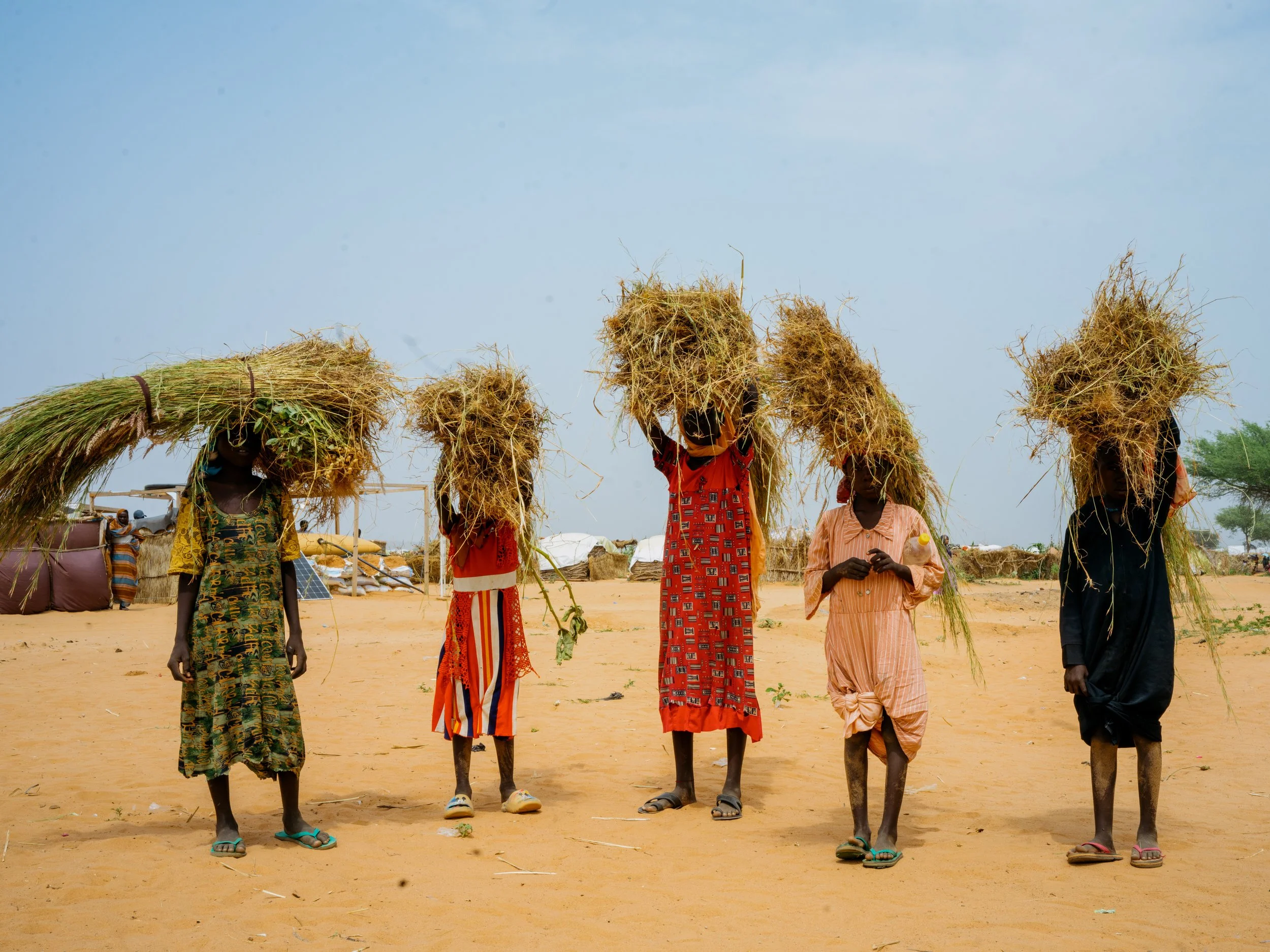
Children carrying bundles of grass.
Adré informal refugee settlement, Chad. Nov 2023.
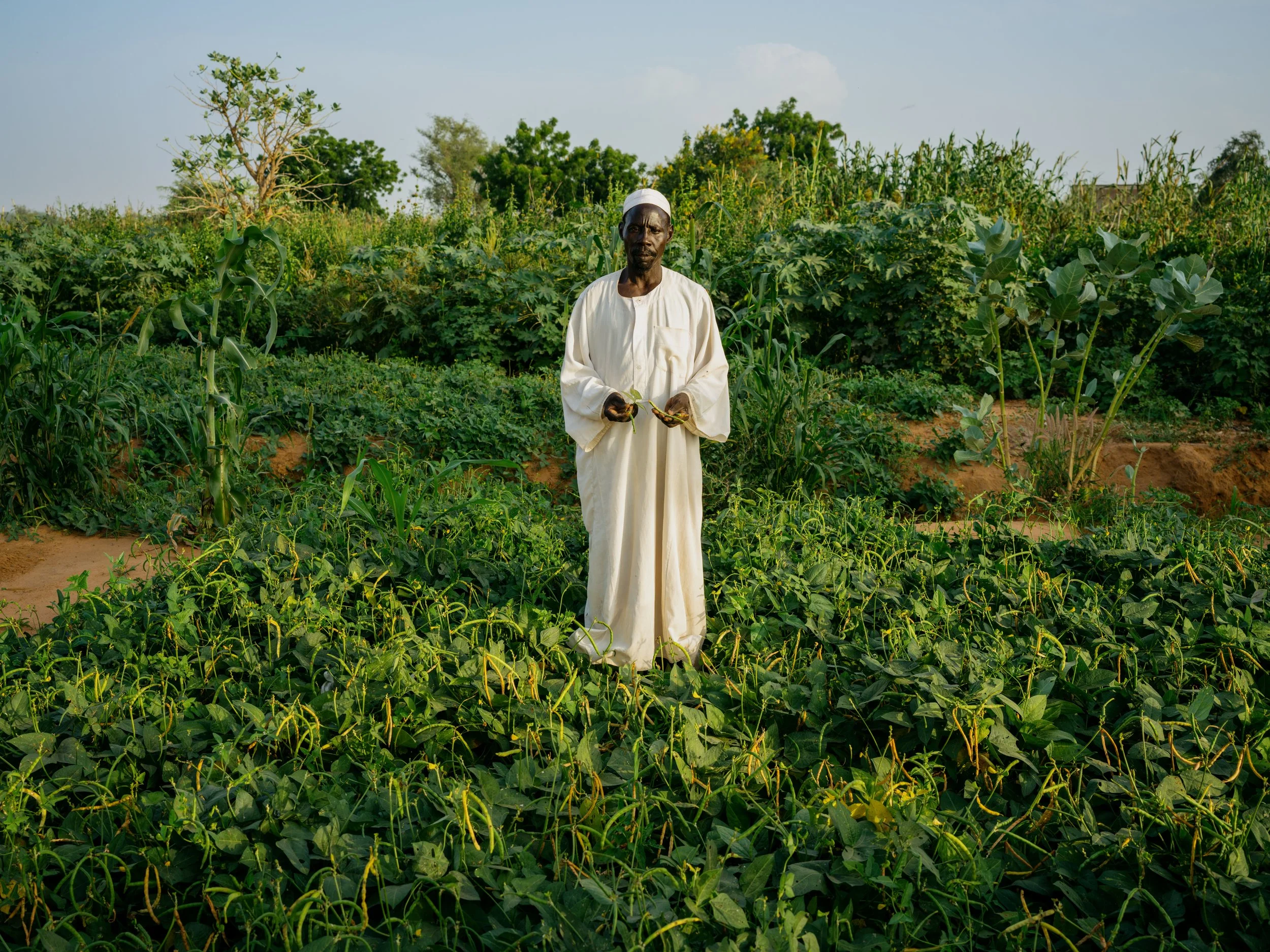
Abakar Haroun Youssouf, 57.
Adré informal refugee settlement, Chad. Nov 2023.
humanity & inclusion’s SUDAN CRISIS APPEAL
The conflict in Sudan has created a massive crisis across the region: 25 million people are in need of humanitarian aid and protection, more than 10 million have been displaced from their homes, and almost 15,000 people have lost their lives.
Sadly, it is the most vulnerable, especially people with disabilities, who are the hardest hit.
Humanity & Inclusion teams in Chad and Egypt are working hard to support disabled and vulnerable people, by providing physical rehabilitation services, mental health support and access to humanitarian aid. Without this vital support, the huge needs in these areas are barely covered, if at all.
They are also launching activities inside Sudan with a partner organisation, and working to strengthen local health systems and build the capacity of local NGOs to respond.
With your help, they can provide desperately-needed rehabilitation care to people who have been injured, as well as support for people with disabilities, who would otherwise be abandoned.